
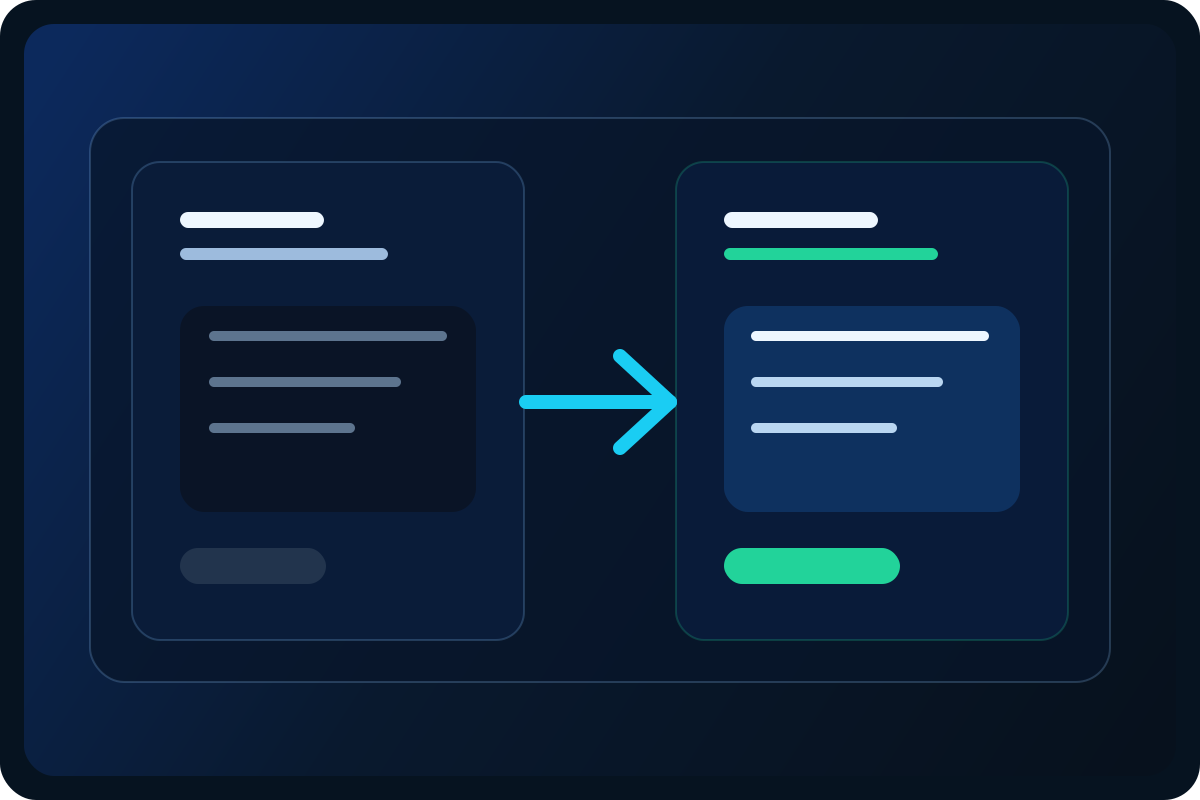
Blog post overview and metadata
Author, publish date, read time, and category
Laravel Migration Services UK: When to Refactor, Rebuild, or Replace Legacy PHP
Reviewed by: ARS Developer Team | Updated: 30 Sep 2026 | UK Focus: Buyer-intent SEO, web delivery, and measurable conversion growth.
Quick Summary
A practical UK guide to deciding when a legacy PHP system should be refactored, rebuilt in Laravel, or replaced entirely based on business risk and delivery value.
In This Guide
Why This Article Is Trustworthy
- Reviewed by the ARS Developer editorial team for UK business relevance.
- Structured around buyer-intent SEO, technical delivery, and measurable conversion outcomes.
- Connected to related service pages, pricing guidance, and supporting articles for stronger topic depth.
Quick Answer
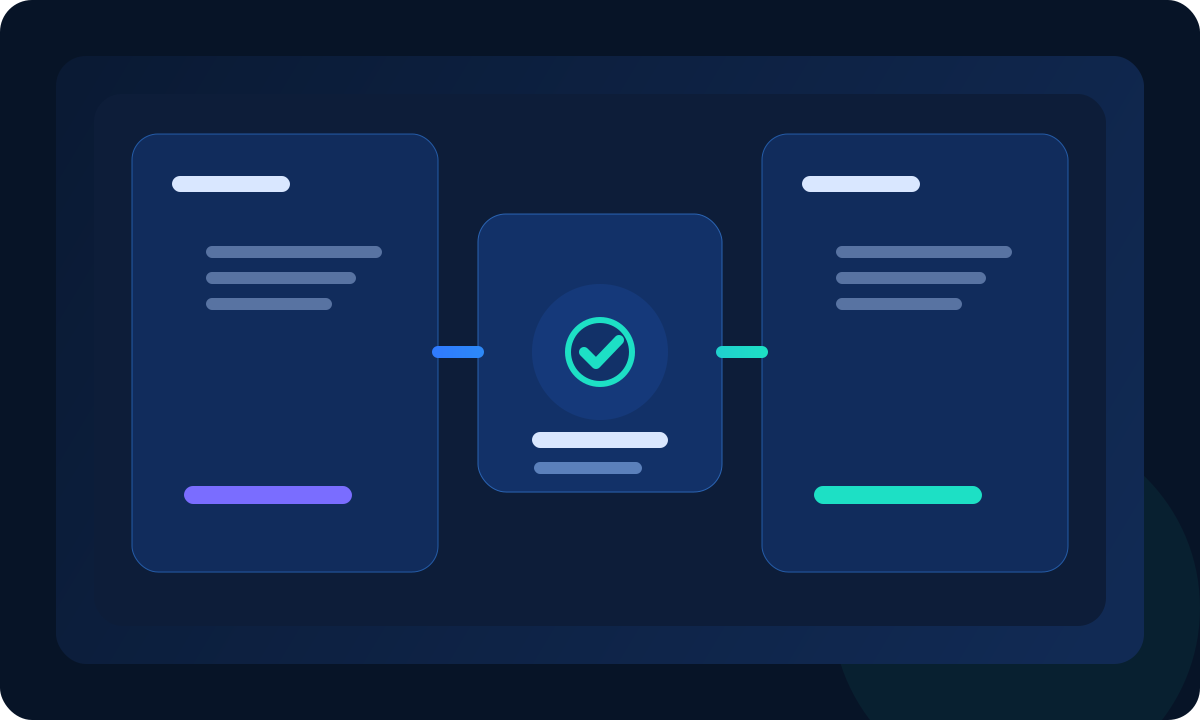
Legacy PHP systems become expensive when change is slow, integrations feel fragile, and teams lose confidence in updates. Laravel migration is often valuable when the system risk becomes operational, not just technical.
The safest decision usually comes from understanding whether the current system should be stabilised, rebuilt gradually, or replaced more directly with a cleaner application approach.
When legacy PHP becomes a business risk
- Small changes take too long because the codebase is hard to trust.
- New integrations are avoided because the system feels fragile.
- Security, performance, or support risk keeps increasing over time.
- The team depends on outdated workflows that limit growth or visibility.
How to choose between refactor, rebuild, and replace
Refactor when the application still has a usable structure and the business needs gradual risk reduction. Rebuild when the workflows remain valuable but the system architecture is holding the business back. Replace when the underlying process or product model has already changed significantly.
The correct route depends on data complexity, integration pressure, release risk, and how much downtime or disruption the business can tolerate.
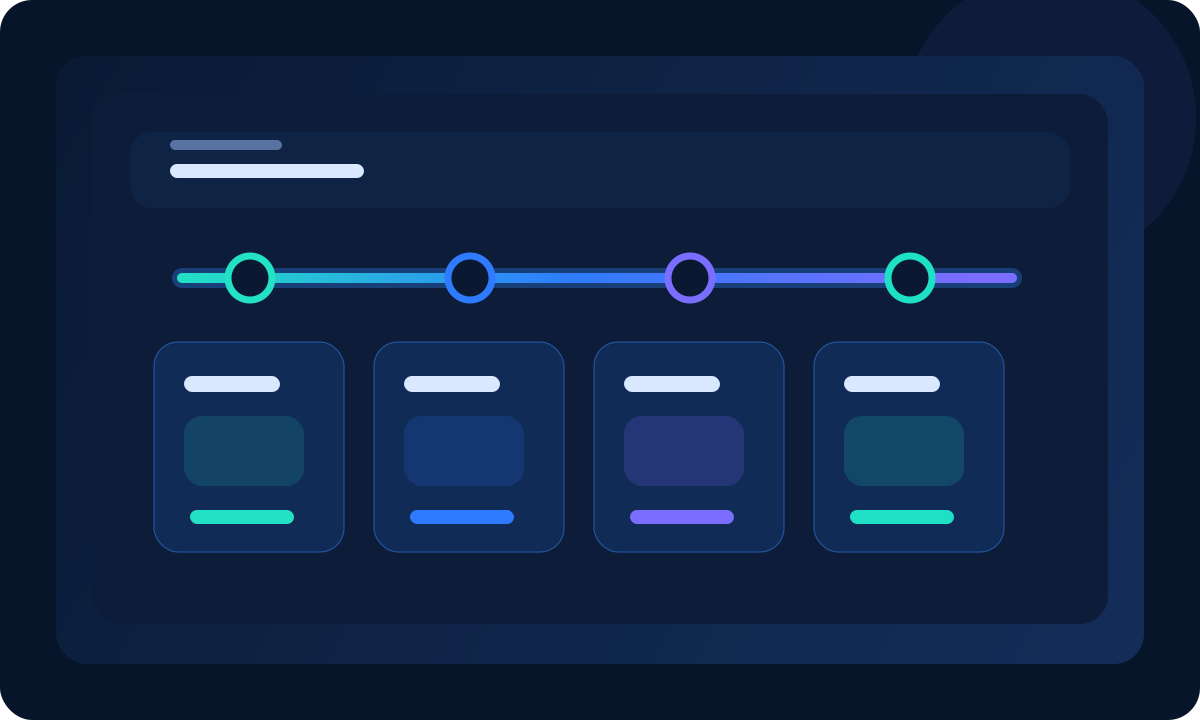
What a safer migration roadmap should include
Map core workflows, decide which modules move first, protect data quality, and define what must stay stable during migration. Migration success comes from planning, not framework preference alone.
This article works best with Laravel delivery evaluation, custom software discovery, and our software migration support.
The strangler pattern beats a big-bang rewrite
The rewrite that replaces everything on one weekend is the version that goes wrong, because every assumption buried in ten years of legacy code has to be rediscovered at once. The safer route puts the new Laravel application in front of the old system and moves one route at a time, so the old code keeps serving everything that has not been migrated yet.
The seam is usually the database. Both applications read the same tables while the move is in progress, which means sessions and authentication have to be shared deliberately rather than by accident — that is the detail that decides whether the approach works.
What the PHP version jump actually breaks
Legacy PHP applications moving from 5.6 or 7.x to 8.x hit a predictable set of failures: each() and create_function() are gone, mysql_* was removed long ago, and string-to-number comparisons changed in 8.0 so that a check which used to pass now does not. That last one is quiet — no error, just different behaviour.
Before quoting a migration, run the existing codebase through a static analysis pass to get a real count of the incompatibilities. A quote produced without that number is a guess, and it is usually a guess in the client's disfavour.
Frequently Asked Questions
Should every old PHP system be rebuilt in Laravel?
No. Some systems are better stabilised or partially refactored first. The right choice depends on workflow value, technical debt, and business risk.
What is the biggest migration mistake?
Starting migration without a clear plan for data, dependencies, and operational continuity is one of the biggest causes of expensive rework.
Next Step
If you need a legacy system reviewed safely, see our software development service and request a migration review.
Next Step Resources
Move from research into action with the most relevant service, proof, pricing, and project planning pages for this topic.

Tags:



































Leave a Comment
Ask a practical question, share a project insight, or add a useful note. Every comment is reviewed before it appears publicly.