
Blog post overview and metadata
Author, publish date, read time, and category
Ecommerce Website Development UK: What Makes a Store Ready for Growth
Reviewed by: ARS Developer Team | Updated: 31 Jul 2026 | UK Focus: Buyer-intent SEO, web delivery, and measurable conversion growth.
Quick Summary
A UK ecommerce growth guide covering platform fit, conversion readiness, technical setup, and operational decisions before investing in a serious store build.
In This Guide
Why This Article Is Trustworthy
- Reviewed by the ARS Developer editorial team for UK business relevance.
- Structured around buyer-intent SEO, technical delivery, and measurable conversion outcomes.
- Connected to related service pages, pricing guidance, and supporting articles for stronger topic depth.

Quick Answer
A store becomes growth-ready when platform choice, product architecture, conversion flow, and operations are aligned before launch, not patched together afterward.
UK ecommerce businesses usually get better results when build decisions support content, checkout confidence, order operations, and future promotional flexibility from the start.
For UK buyers comparing suppliers, the strongest content usually explains commercial outcomes, project expectations, and how the service connects with trust, delivery clarity, and measurable growth. This is where ecommerce website development uk becomes more useful than generic marketing copy.
In practical terms, a strong ecommerce article should help a reader understand what good looks like, what mistakes to avoid, and what questions to ask before spending budget. That type of clarity tends to improve both engagement quality and search relevance over time.
What growth-ready ecommerce development should cover
- Platform choice based on content, operational complexity, and custom workflow needs.
- Category and product structure that supports search visibility and user navigation.
- Checkout trust, payment clarity, and mobile-first UX.
- Post-purchase, fulfilment, and promotional workflows that the team can manage efficiently.
Taken together, these points show how ecommerce website development uk should support better decision-making, cleaner delivery planning, and stronger buyer confidence around what growth-ready ecommerce development should cover. When the page explains this clearly, it becomes more useful for both search engines and commercial readers.
Why operational detail matters as much as design
Many store rebuilds underperform because the design looks better but the team still struggles with fulfilment, catalogue updates, promotions, or content management after launch.
The most effective ecommerce development considers the store team, the buyer journey, and the SEO structure at the same time.
How to compare store build options safely
Compare stores based on conversion goals, content depth, integrations, operational control, and long-term maintainability, not theme appearance alone.
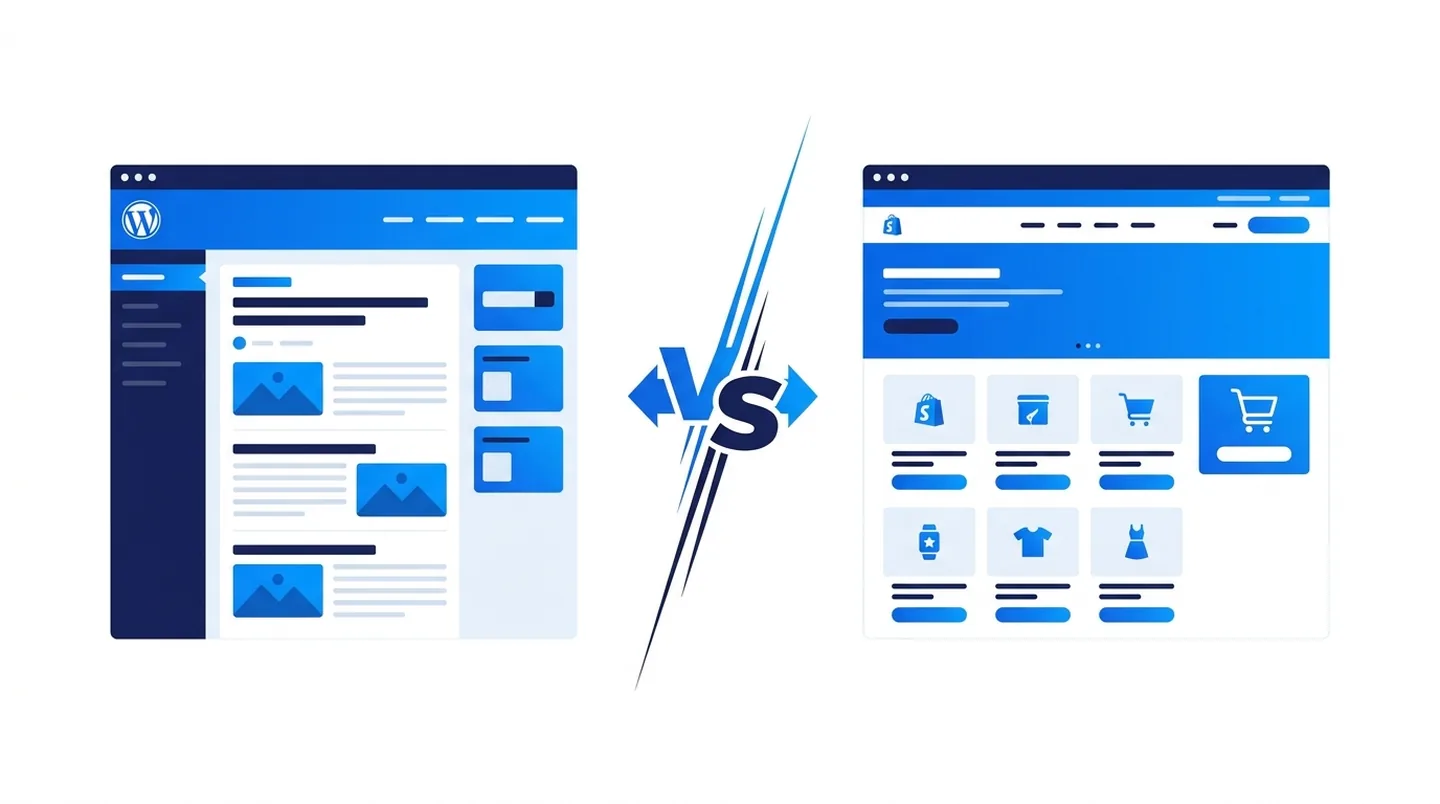
Use this with WordPress vs Shopify comparison, website budget planning, and our ecommerce delivery support.
Who this is for
- UK businesses comparing suppliers for ecommerce website development uk and looking for a commercially credible next step.
- Internal teams that need clearer expectations around budget, delivery scope, workflow quality, or search performance.
- Decision-makers reviewing ecommerce options and trying to reduce risk before committing to a project or retainer.
Common mistakes to avoid
A common mistake is treating ecommerce website development uk like a checklist exercise instead of a commercial decision. That usually leads to vague scope, weak implementation detail, and pages that look acceptable but do not create enough trust or conversion momentum.
Another mistake is focusing only on surface-level SEO phrases without connecting the page to proof, FAQs, pricing logic, service scope, and internal links. Search engines increasingly reward stronger context, while real buyers still expect clarity before they enquire.
What this means in practice
If a business is actively researching ecommerce website development uk, they usually want clear next steps rather than broad theory. The strongest pages help the reader compare options, understand likely timelines, and see what affects scope, cost, or implementation quality.
This is also why long-form content tends to perform better when it stays commercially focused. Search visibility improves when the article answers related questions thoroughly, but conversions improve when the page also explains proof, process, and realistic outcomes in plain language.
For UK service brands, the best-performing pages also reduce commercial ambiguity. They show what happens first, what gets quoted, what affects timelines, and where the engagement fits alongside pricing, implementation, and support.
Implementation checklist
- Define the exact commercial goal behind ecommerce website development uk before expanding delivery scope.
- Align the page with related service, pricing, case-study, and FAQ content so Google and buyers can follow the topic clearly.
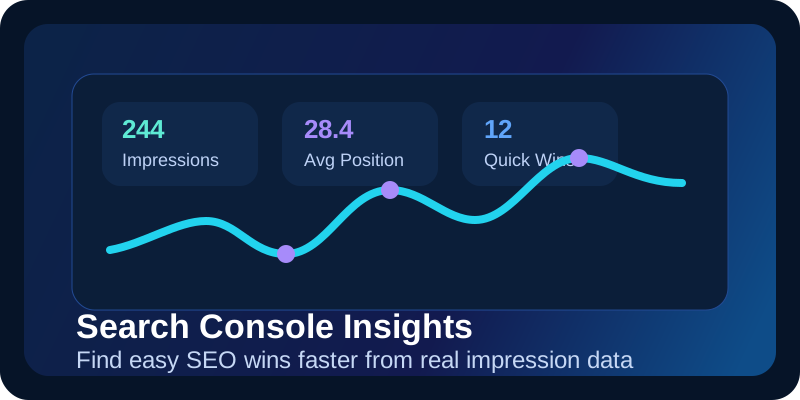
- Use Search Console data, internal linking, and conversion tracking to measure whether the page is attracting useful visibility instead of low-value impressions.
- Review the content regularly so it stays relevant, trustworthy, and commercially stronger than generic competitor pages.
Frequently Asked Questions
What is the biggest ecommerce build mistake?
Choosing a platform or build scope based only on design preference without considering operations, SEO, and future scale is a common mistake.
Should ecommerce planning include SEO before launch?
Yes. Content architecture, technical setup, and category structure should all be considered before launch to avoid costly rework.
Further Reading
Continue with our services, pricing guidance, and contact page if you want a commercial plan built around this topic.
Next Step
If you need a store built for growth rather than just launch, review our website development service and request an ecommerce review.
If your team is reviewing ecommerce website development uk right now, the safest next step is usually a scoped conversation that covers delivery fit, commercial priorities, and the fastest path to a useful first result. That tends to produce better outcomes than choosing based on vague promises or generic package language.
Next Step Resources
Move from research into action with the most relevant service, proof, pricing, and project planning pages for this topic.

Tags:











































Leave a Comment
Ask a practical question, share a project insight, or add a useful note. Every comment is reviewed before it appears publicly.