
Blog post overview and metadata
Author, publish date, read time, and category
Business Website Redesign UK: 9 Signs Your Current Site Is Costing You Leads
Reviewed by: ARS Developer Team | Updated: 30 Sep 2026 | UK Focus: Buyer-intent SEO, web delivery, and measurable conversion growth.
Quick Summary
A practical redesign guide for UK businesses that want to know when a website rebuild is justified and when the current site is quietly losing leads.
In This Guide
Why This Article Is Trustworthy
- Reviewed by the ARS Developer editorial team for UK business relevance.
- Structured around buyer-intent SEO, technical delivery, and measurable conversion outcomes.
- Connected to related service pages, pricing guidance, and supporting articles for stronger topic depth.

Quick Answer
A redesign should not be driven by boredom or design trends alone. It should happen when the current website is limiting trust, rankings, or the ability to turn traffic into enquiries.
For many UK businesses, the strongest redesign decision is based on lead loss, message clarity, user friction, and outdated conversion structure.
9 signs the current website is underperforming
- The first screen does not explain the offer clearly.
- The site looks dated compared with credible competitors.
- Forms are hard to find or generate poor-quality enquiries.
- Service pages are thin and fail to answer buyer questions.
- The mobile experience feels weak or slow.
- The site no longer reflects the real business positioning.
- Internal teams avoid sending prospects to the website.
- SEO improvements are hard because the structure is outdated.
- The site creates confusion instead of momentum in sales conversations.
When a redesign is better than patching
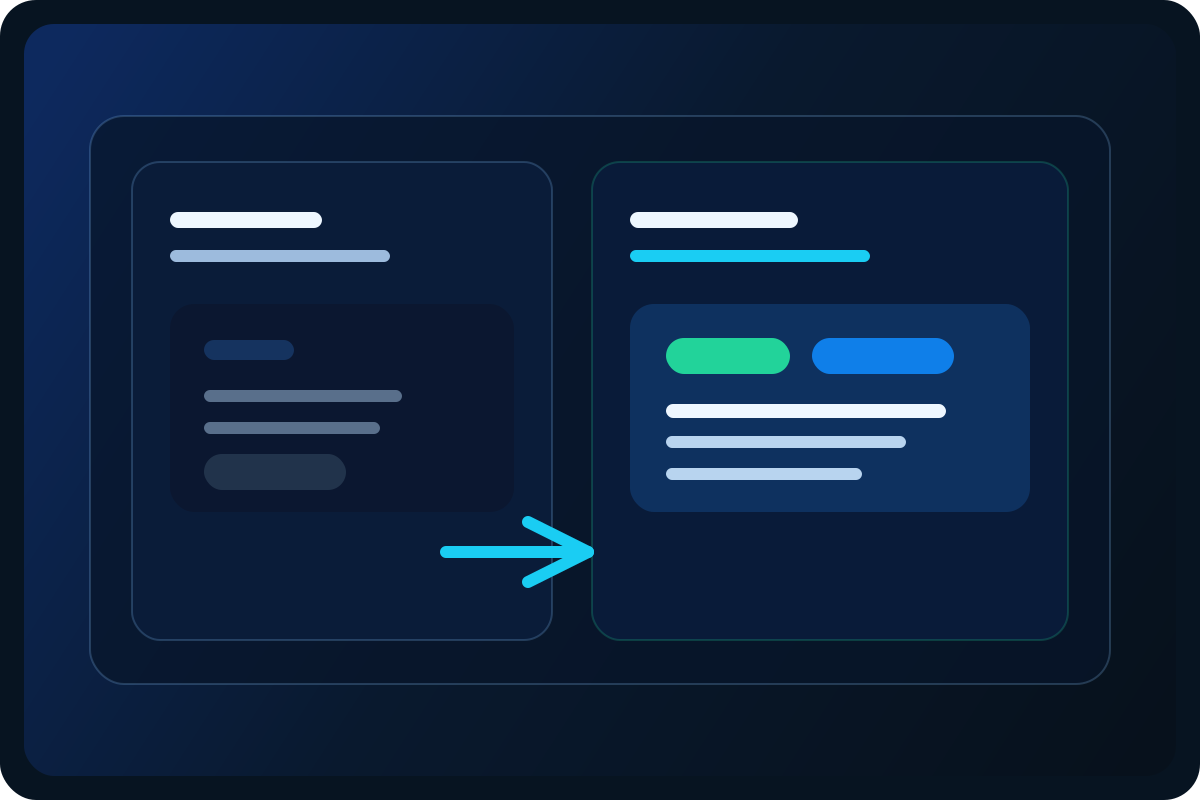
If the site has outdated structure, weak messaging, poor conversion flow, and technical limitations at the same time, redesign usually gives a better return than endless patching.
However, if only one or two issues exist, targeted optimisation may still be enough. The decision should come from performance friction, not aesthetic frustration alone.
How to protect SEO during a redesign
Keep key URLs stable where possible, preserve strong metadata, map redirects carefully, and treat launch QA as a core part of the project instead of an afterthought.
This aligns with technical launch SEO, website budget planning, and portfolio-driven redesign examples.
Redesign without losing the rankings you have
The most common way a redesign loses traffic is a URL structure changed without a mapping. Before anything is built, export every URL that has earned an impression in the last year and decide where each one goes. Anything that moves needs a permanent redirect to the closest equivalent — not to the homepage, which search engines treat as a page having been deleted.
Do it as a specified deliverable rather than a launch-week task. Recovering rankings lost this way takes months, where preventing it takes a spreadsheet.
Record what works before you replace it
A site being replaced is usually described as failing, but parts of it are working — a page that brings most of the organic traffic, a form arrangement that converts, a piece of content people link to. Those are easy to lose because the redesign discussion focuses on what is wrong.
Take the numbers first: the top landing pages, the current conversion rate, the search queries already earning clicks. They are the baseline for judging the new site, and without them a redesign can only be assessed on whether people prefer how it looks.
Frequently Asked Questions
Should a redesign always change every page?
Not always. A redesign can still preserve high-performing pages or content blocks if they continue to support trust and rankings well.
What is the biggest redesign risk?
Launching without proper redirect, metadata, and conversion checks is one of the biggest risks because it can hurt both rankings and lead flow.
Next Step
If you suspect your site is underperforming, explore our website redesign service and request a review.
Next Step Resources
Move from research into action with the most relevant service, proof, pricing, and project planning pages for this topic.

Tags:

























































Leave a Comment
Ask a practical question, share a project insight, or add a useful note. Every comment is reviewed before it appears publicly.