

Blog post overview and metadata
Author, publish date, read time, and category
Website Speed Optimization in 2026: Core Web Vitals Guide
Reviewed by: ARS Developer Team | Updated: 14 May 2026 | UK Focus: Buyer-intent SEO, web delivery, and measurable conversion growth.
Quick Summary
A 2026 UK Core Web Vitals guide covering LCP, INP, CLS, images, JavaScript, hosting, UX, SEO, and conversion-focused speed improvements.
In This Guide
Why This Article Is Trustworthy
- Reviewed by the ARS Developer editorial team for UK business relevance.
- Structured around buyer-intent SEO, technical delivery, and measurable conversion outcomes.
- Connected to related service pages, pricing guidance, and supporting articles for stronger topic depth.
Quick Answer
A 2026 UK Core Web Vitals guide covering LCP, INP, CLS, images, JavaScript, hosting, UX, SEO, and conversion-focused speed improvements.
For UK businesses in 2026, the safest approach is to connect website speed optimization uk with clear scope, useful content, technical quality, performance, and a measurable path from research to enquiry. The goal is not instant ranking promises; it is helpful, people-first content and implementation that supports real decisions.
Why speed still matters in 2026
Website speed affects SEO, conversion rate, paid campaign performance, and user trust. UK buyers often compare several suppliers quickly; slow pages reduce confidence before the content has a chance to work.
Core Web Vitals are not the only ranking factor, but they help measure whether pages feel usable. LCP, INP, and CLS should be monitored alongside enquiries, bounce patterns, and page-level conversion paths.

Common performance problems
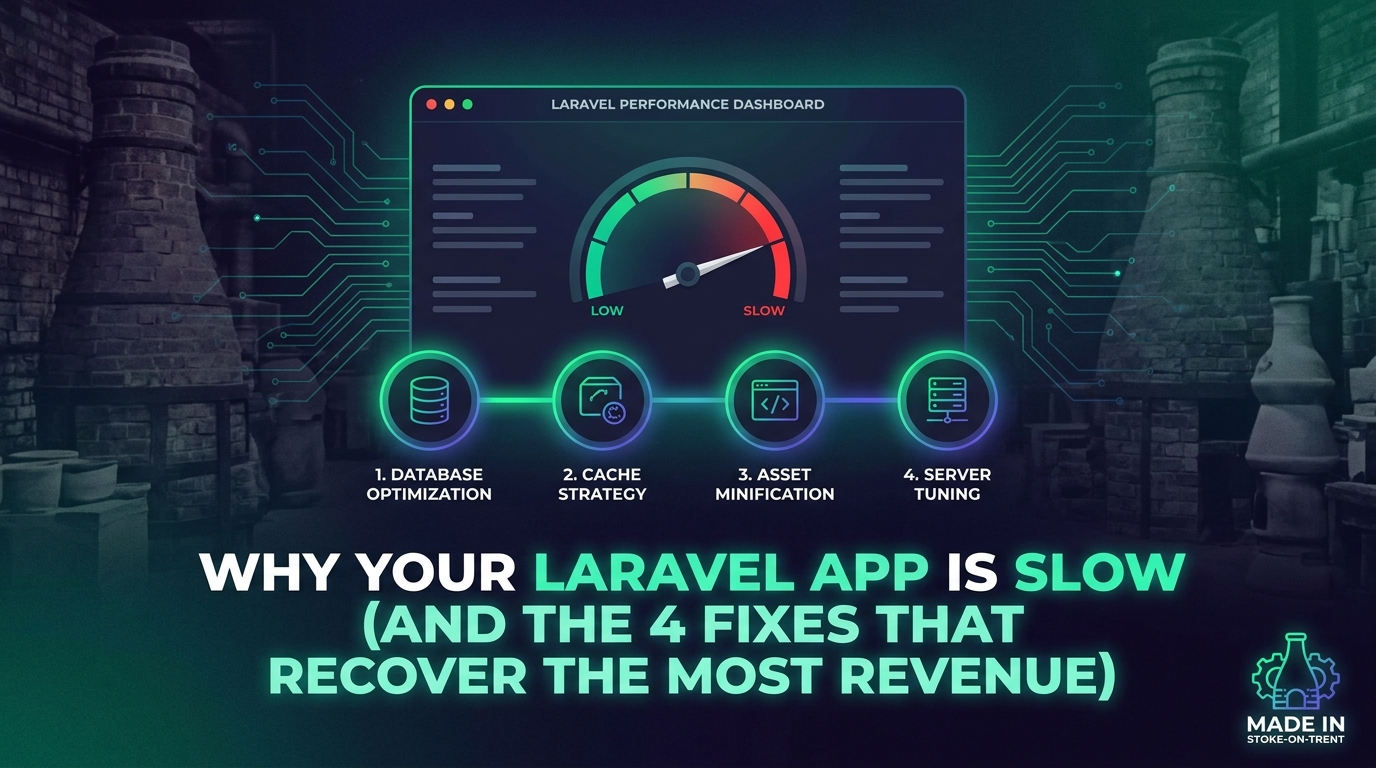
Large uncompressed images, render-blocking scripts, heavy sliders, unused JavaScript, poor hosting, unoptimised fonts, and unstable layout blocks are common causes. Many sites also load third-party tools too early.
Fixes should start with the highest-value pages: homepage, service pages, pricing, contact, landing pages, and high-traffic blog posts. Improving pages that already attract buyers usually creates the fastest commercial return.
Image and frontend best practice
Use compressed images, descriptive filenames, alt text, lazy loading for below-fold media, width and height attributes where possible, and modern formats where supported. JavaScript should be audited so non-critical scripts do not block the main experience.
Design changes should not break the existing UI. ARS Developer Ltd treats performance as a careful engineering task linked to web development, SEO, and conversion quality.

How to measure improvement
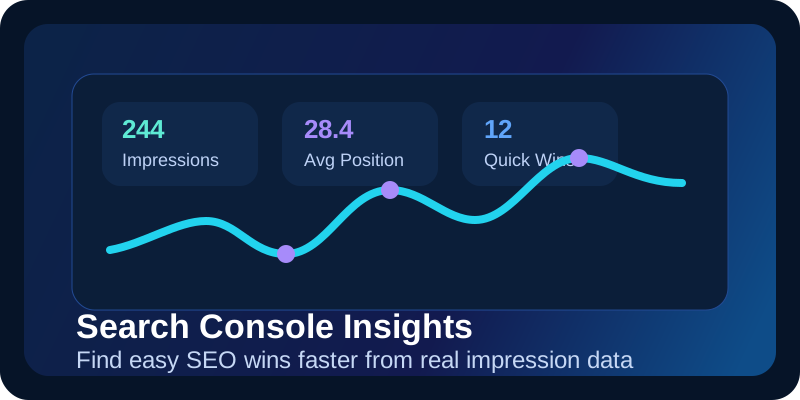
Use Lighthouse, PageSpeed Insights, Search Console Core Web Vitals, server logs, analytics, and real user behaviour. Do not judge speed from one lab score only; compare performance across devices, templates, and critical pages.
A good speed project ends with a cleaner build, smaller assets, fewer layout shifts, faster interaction, and a page experience that supports both rankings and enquiries.
UK buyer decision framework
Most UK teams do not need more vague technology options; they need a clearer way to decide what should happen first. Start by separating must-have workflow requirements from features that are only useful after launch. Then compare suppliers on discovery quality, technical judgement, communication, testing, support, and whether they can explain trade-offs without hiding behind jargon.
A stronger decision framework also includes commercial fit. Ask how the work will improve enquiries, reduce admin, protect performance, improve reporting, or make a system easier to maintain. If the answer is not specific, the project may be at risk of becoming a cosmetic or experimental spend rather than a useful business improvement.
Cost, timeline, and scope planning
Budget and timeline depend on content depth, design complexity, user roles, integrations, approvals, data quality, performance requirements, and post-launch support. For website speed optimization uk, the safest estimate usually comes after a short discovery stage where workflows, pages, systems, and business priorities are mapped properly.
Phased delivery is usually better than trying to launch every idea at once. A focused first release gives the business something measurable, reduces rework, and keeps future improvements tied to real user behaviour. This is especially important for startups, SaaS products, ERP-style systems, ecommerce operations, and AI automation where assumptions can change quickly once users interact with the system.
SEO, content, and trust signals
Helpful SEO content should answer the buyer question directly, then support the answer with examples, process detail, risk warnings, internal links, and a clear next step. It should not overpromise rankings, use copied claims, or repeat keywords unnaturally. Strong pages are useful even if the visitor arrived from a referral, paid ad, AI answer, or direct brand search.
Trust signals should be visible throughout the journey. That includes real company identity, practical service explanations, accessible contact routes, descriptive image alt text, valid schema where supported, sensible metadata, and links to relevant service pages. ARS Developer Ltd keeps this structure focused on people-first usefulness rather than artificial SEO tricks.
Governance, testing, and post-launch support
Production work needs ownership after launch. Before publishing or deploying, confirm who reviews content, who handles technical issues, how analytics will be checked, how forms or integrations will be tested, and what happens if a page or workflow does not perform as expected. These details prevent small issues from becoming business disruption.
After launch, review Search Console, analytics, enquiry quality, page speed, error logs, and user feedback. The best websites and systems improve through measured iteration. For a UK business, that means combining SEO visibility, conversion quality, operational reliability, and maintainable code into one practical improvement cycle.
Example project scenario
A typical UK company researching this topic might already have a website, several disconnected tools, a small internal team, and pressure to improve leads or operational speed without creating technical debt. The first useful step is not a full rebuild by default. It is a review of the highest-value pages, workflows, data points, and handovers that currently slow the business down.
From there, the project can be shaped into a clear first phase: improve the commercial page structure, connect the right internal systems, add practical automation where it reduces admin, and publish supporting content that answers real buyer questions. This keeps the work useful for search engines, visitors, and the team responsible for managing the system after launch.
That kind of staged approach also makes reporting easier. The business can compare traffic, qualified enquiries, admin time, page speed, and support requests before and after the work, which gives leadership a clearer view of whether the investment is producing useful progress.
It also gives the team a cleaner content and delivery record for future updates, which helps later SEO reviews, supplier handovers, audits, and roadmap decisions.
Practical implementation checklist
- Confirm the business goal, audience, budget range, and success metric before production starts.
- Map the user journey from search intent to service page, proof, contact action, and follow-up workflow.
- Keep headings clear, answers direct, metadata accurate, and internal links useful for real readers.
- Use descriptive image filenames, alt text, compressed visuals, lazy loading, and performance checks.
- Review the page after launch using Search Console, analytics, enquiry quality, and technical QA.
How ARS Developer Ltd can help
ARS Developer Ltd helps UK businesses plan and build websites, Laravel applications, SaaS products, ecommerce systems, APIs, automation workflows, and SEO-ready content structures. The practical value comes from connecting strategy with implementation, not leaving the business with isolated advice.
Useful next pages include services, software development, web design and development, SEO, blog insights, and contact.
Frequently Asked Questions
What are Core Web Vitals?
Core Web Vitals are Google metrics for loading performance, interaction responsiveness, and visual stability.
Does speed affect SEO?
Yes, speed affects page experience and can influence search performance, especially when competitors offer better usability.
What should be optimised first?
Start with images, hosting, JavaScript, fonts, critical templates, and the pages most important to leads or sales.
Can speed work break the design?
It can if handled carelessly. Optimisation should preserve UI while improving assets, scripts, and rendering.
Does ARS Developer Ltd handle speed fixes?
Yes, we can review Core Web Vitals, frontend assets, Laravel performance, and SEO-critical templates.
Next Step
If this topic is active in your business, start with a scoped review of goals, current systems, search opportunity, technical risk, and implementation priorities. Then build the smallest useful improvement that can be measured and improved.
Contact ARS Developer Ltd to discuss a practical UK-focused roadmap.
Next Step Resources
Move from research into action with the most relevant service, proof, pricing, and project planning pages for this topic.

Tags:




































Leave a Comment
Ask a practical question, share a project insight, or add a useful note. Every comment is reviewed before it appears publicly.