

Blog post overview and metadata
Author, publish date, read time, and category
Custom Web Application Development UK: What Businesses Should Build First
Reviewed by: ARS Developer Team | Updated: 30 Sep 2026 | UK Focus: Buyer-intent SEO, web delivery, and measurable conversion growth.
Quick Summary
A practical UK guide to deciding what a custom web application should include first, what can wait, and how to reduce cost without weakening delivery value.
In This Guide
Why This Article Is Trustworthy
- Reviewed by the ARS Developer editorial team for UK business relevance.
- Structured around buyer-intent SEO, technical delivery, and measurable conversion outcomes.
- Connected to related service pages, pricing guidance, and supporting articles for stronger topic depth.

Quick Answer
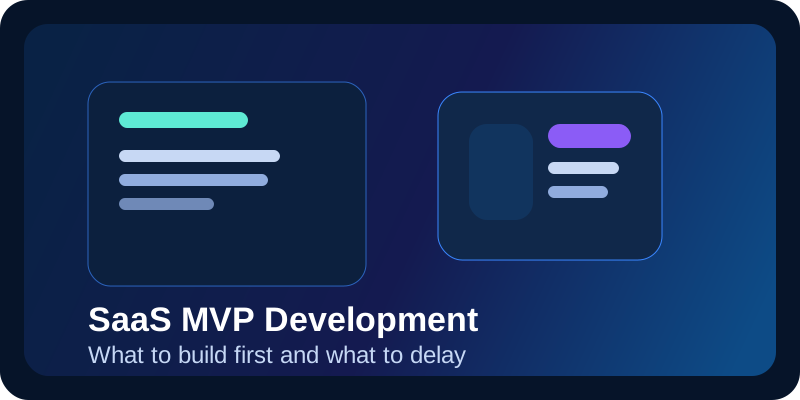
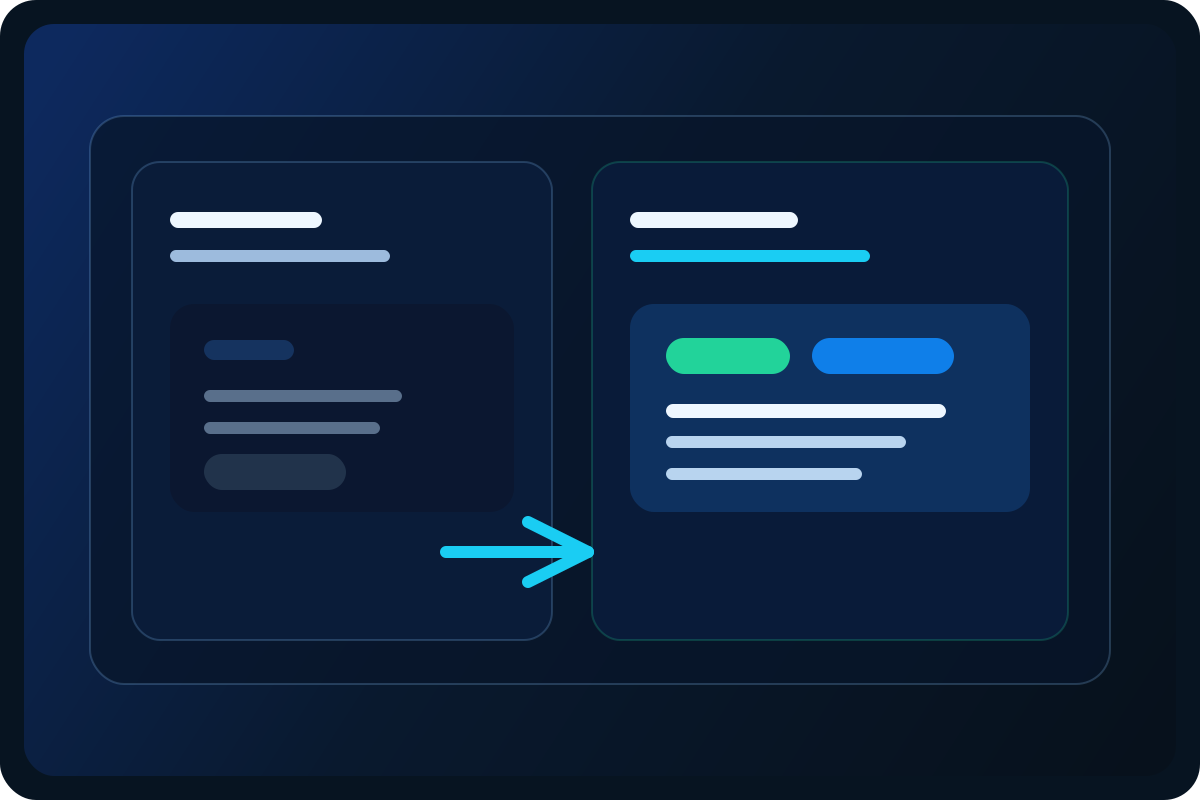
Custom web applications create the most value when version one focuses on the workflows that affect delivery, customer experience, or operational speed first.
Businesses usually waste budget when they try to build every idea into the first release instead of defining the one process that must work best from day one.
What usually belongs in version one
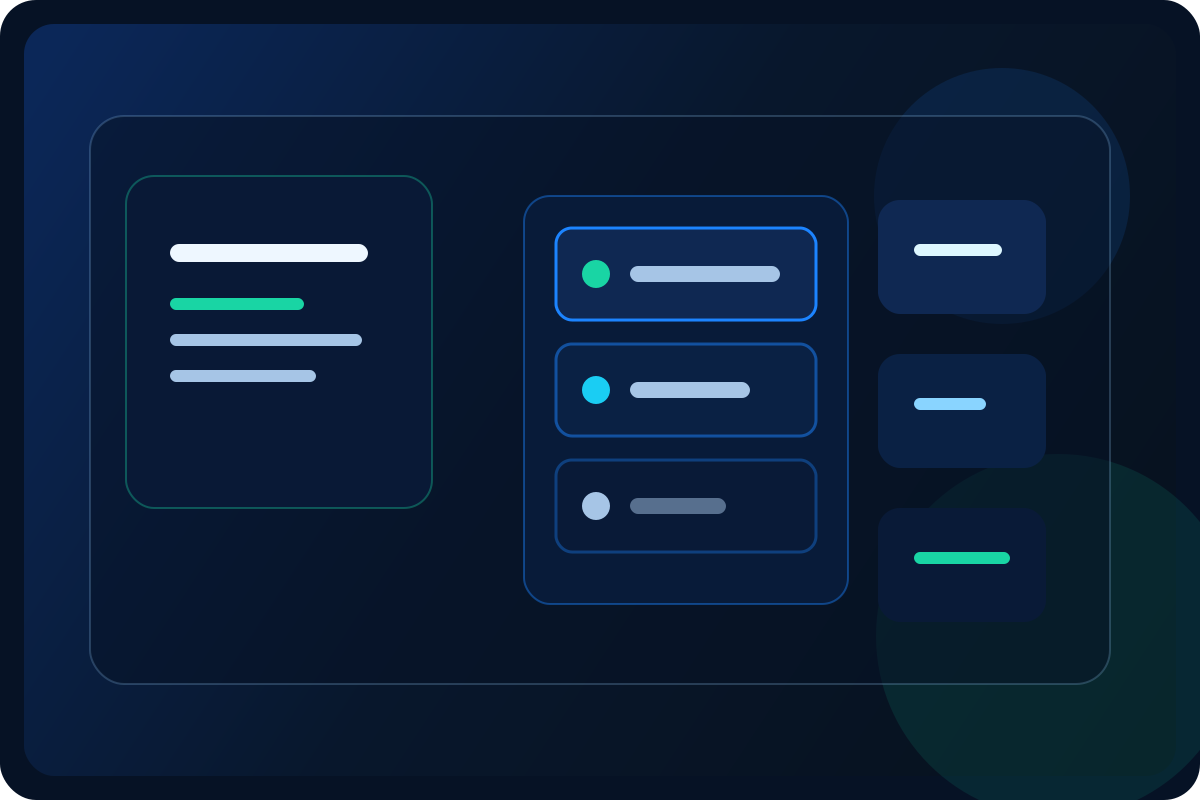
- User login, roles, and the core workflow the business depends on.
- Admin visibility for the team managing day-to-day operations.
- Essential integrations only where they remove manual work or risk.
- Reporting limited to what decisions actually need to be made in phase one.
What should usually wait for later phases
Edge-case automation, advanced analytics, deep custom settings, and lower-priority dashboards often make more sense once the main workflow proves valuable.
Delaying these features protects budget and usually leads to a cleaner application architecture because the team learns from real usage first.
How to scope a web application more safely
Start with user roles, workflow stages, bottlenecks, and handover points. If those are clear, the application scope becomes much easier to estimate and phase.
This works well with custom software discovery, MVP planning, and our software delivery service.
Start with the spreadsheet that hurts most
Nearly every business commissioning a first web application already runs the process in a spreadsheet, and that spreadsheet is a complete specification written by the people who use it. It shows the fields that matter, the statuses that exist, and — in its awkward columns and colour-coding — precisely where it has stopped coping.
Replacing one spreadsheet properly beats building a system that addresses four processes shallowly. It also gives you users on day one, because they were already doing the work.
Get the data model right before the screens
Screens are cheap to change and the data model underneath them is not. Deciding what an order, a customer or a job actually is — and what may exist without the other — is the decision that either makes the second year of features straightforward or turns each one into a migration.
The warning sign is a field being used for two purposes, or a status column that has quietly become a workflow. Both are easy to fix in week two and expensive in year two.
Frequently Asked Questions
Should a custom web application include every department in phase one?
Usually no. The strongest phase one focuses on the workflow with the clearest operational or revenue impact first.
What is the biggest web app scoping mistake?
Trying to solve too many processes in the first release usually increases cost and slows delivery without improving early return.
Next Step
If you need a custom application planned properly, review our software development service and request a discovery session.
Next Step Resources
Move from research into action with the most relevant service, proof, pricing, and project planning pages for this topic.

Tags:






















































Leave a Comment
Ask a practical question, share a project insight, or add a useful note. Every comment is reviewed before it appears publicly.