
Blog post overview and metadata
Author, publish date, read time, and category
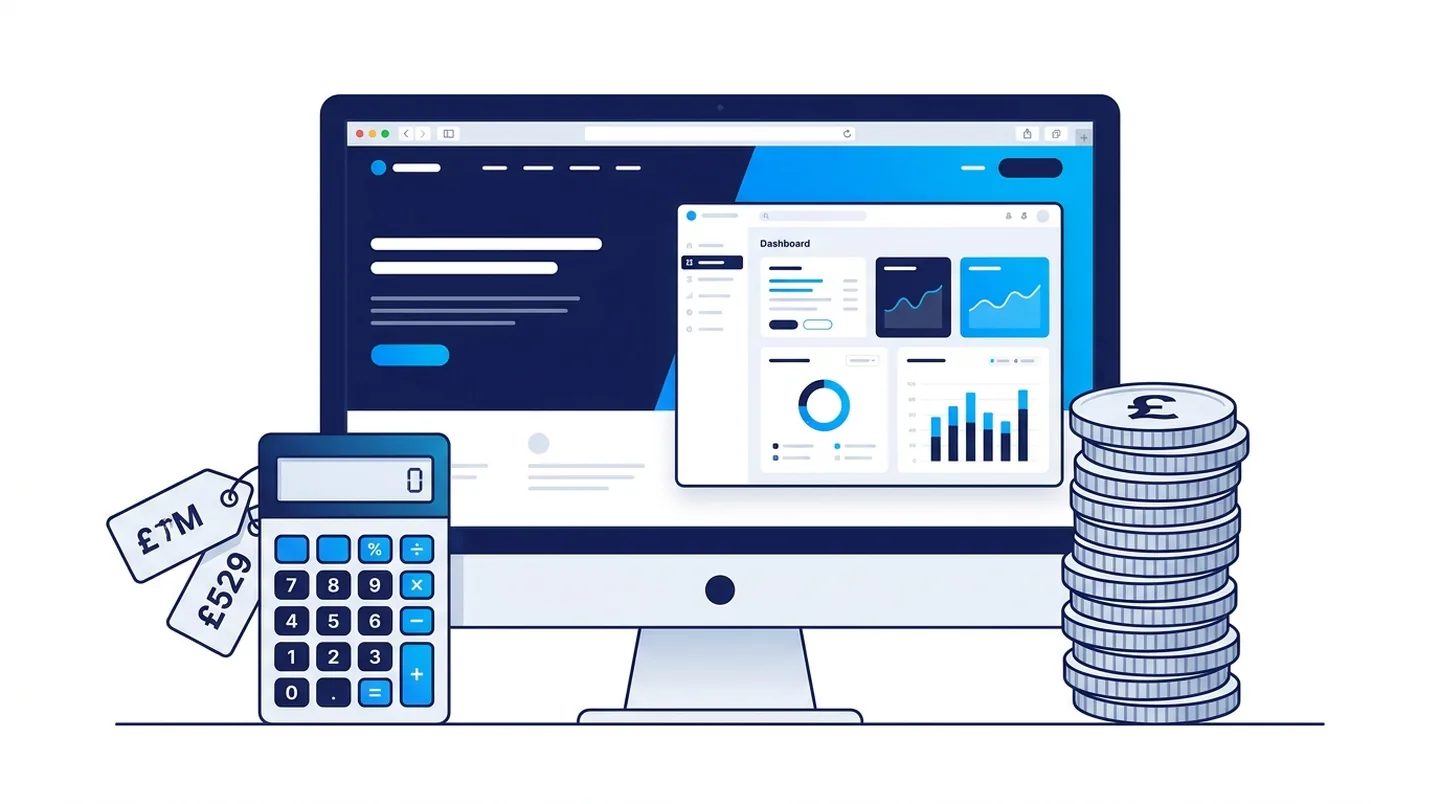
Subscription Software Development UK: How SaaS Products Are Planned, Priced and Built
Reviewed by: ARS Developer Team | Updated: 30 Sep 2026 | UK Focus: Buyer-intent SEO, web delivery, and measurable conversion growth.
Quick Summary
A practical UK guide to subscription software development covering MVP planning, recurring billing logic, role permissions, reporting, and growth-stage product decisions.
In This Guide
Why This Article Is Trustworthy
- Reviewed by the ARS Developer editorial team for UK business relevance.
- Structured around buyer-intent SEO, technical delivery, and measurable conversion outcomes.
- Connected to related service pages, pricing guidance, and supporting articles for stronger topic depth.
Quick Answer
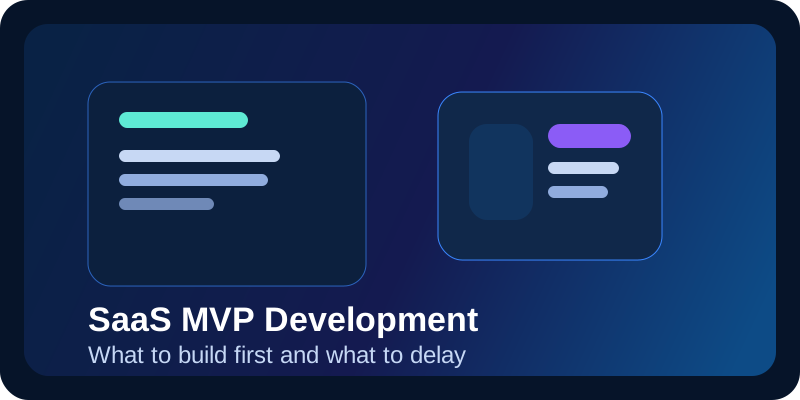
Subscription software development in the UK usually starts with one decision: what must the MVP do on day one, and what can wait until revenue validates the model.
Strong SaaS delivery combines user roles, recurring billing logic, onboarding flow, reporting, and product decisions that match the business model.
What must be scoped before development starts
- User types and permission levels.
- Recurring billing, upgrade, downgrade, and cancellation logic.
- Core workflow the customer pays for.
- Metrics and reporting needed by the business.
Why SaaS projects fail when scope is weak
Many subscription platforms fail because teams start with UI ideas instead of pricing logic, user journeys, and retention behaviour.
The right build starts with onboarding, billing events, feature gates, and the outcome the customer expects each month.
Best related reads for this topic
This article supports software pricing planning, managed IT expectations, and technical launch readiness.
Billing is where subscription products actually get hard
The happy path — a customer signs up and pays monthly — is a small part of the code. The work is in the edges: an upgrade mid-cycle and what gets refunded, a downgrade and when it takes effect, a failed card and how many times it is retried before access is suspended, a cancellation and whether the remaining days are honoured.
Decide each of those as a business rule before anything is built, because they are difficult to change once customers have been charged under the previous behaviour.
Failed payments quietly decide your revenue
Cards expire, get replaced after fraud, and are declined for limits that have nothing to do with willingness to pay. Without deliberate handling, those customers simply disappear, and the loss looks like churn rather than a solvable payments problem.
A retry schedule over a couple of weeks, an email that tells the customer what happened rather than that "something went wrong", and a way to update the card without logging a support ticket will recover a meaningful share of them. It is the least glamorous part of a SaaS build and among the best paid.
Frequently Asked Questions
What is the first feature a subscription software product should build?
Usually the core value workflow, account structure, and billing logic should come before non-essential add-ons.
Should SaaS products be fully built before launch?
No. A focused MVP with strong retention logic is usually better than an oversized first release.
Next Step
For build planning, see our software development service and project pricing options.
Next Step Resources
Move from research into action with the most relevant service, proof, pricing, and project planning pages for this topic.

Tags:








































Leave a Comment
Ask a practical question, share a project insight, or add a useful note. Every comment is reviewed before it appears publicly.