

Blog post overview and metadata
Author, publish date, read time, and category
Abandoned Checkout UK: 11 Fixes That Recover Lost Ecommerce Revenue
Reviewed by: ARS Developer | Updated: 31 Jul 2026 | UK Focus: Buyer-intent SEO, web delivery, and measurable conversion growth.
Quick Summary
Roughly seven in ten UK online baskets are abandoned before payment. This guide ranks 11 practical fixes by effort versus impact, gives you a recovery email sequence, and introduces the Checkout Friction Score so you can audit your own store out of 100.
In This Guide
- What is the average cart abandonment rate in the UK?
- Why do UK shoppers abandon checkout?
- The 11 fixes, ranked by effort and impact
- What does an effective abandoned basket email strategy look like?
- The Checkout Friction Score: audit your store out of 100
- How much revenue can you realistically recover?
- What to fix first if you only have a weekend
- Conclusion: your checkout is the cheapest growth you have
Why This Article Is Trustworthy
- Reviewed by the ARS Developer editorial team for UK business relevance.
- Structured around buyer-intent SEO, technical delivery, and measurable conversion outcomes.
- Connected to related service pages, pricing guidance, and supporting articles for stronger topic depth.
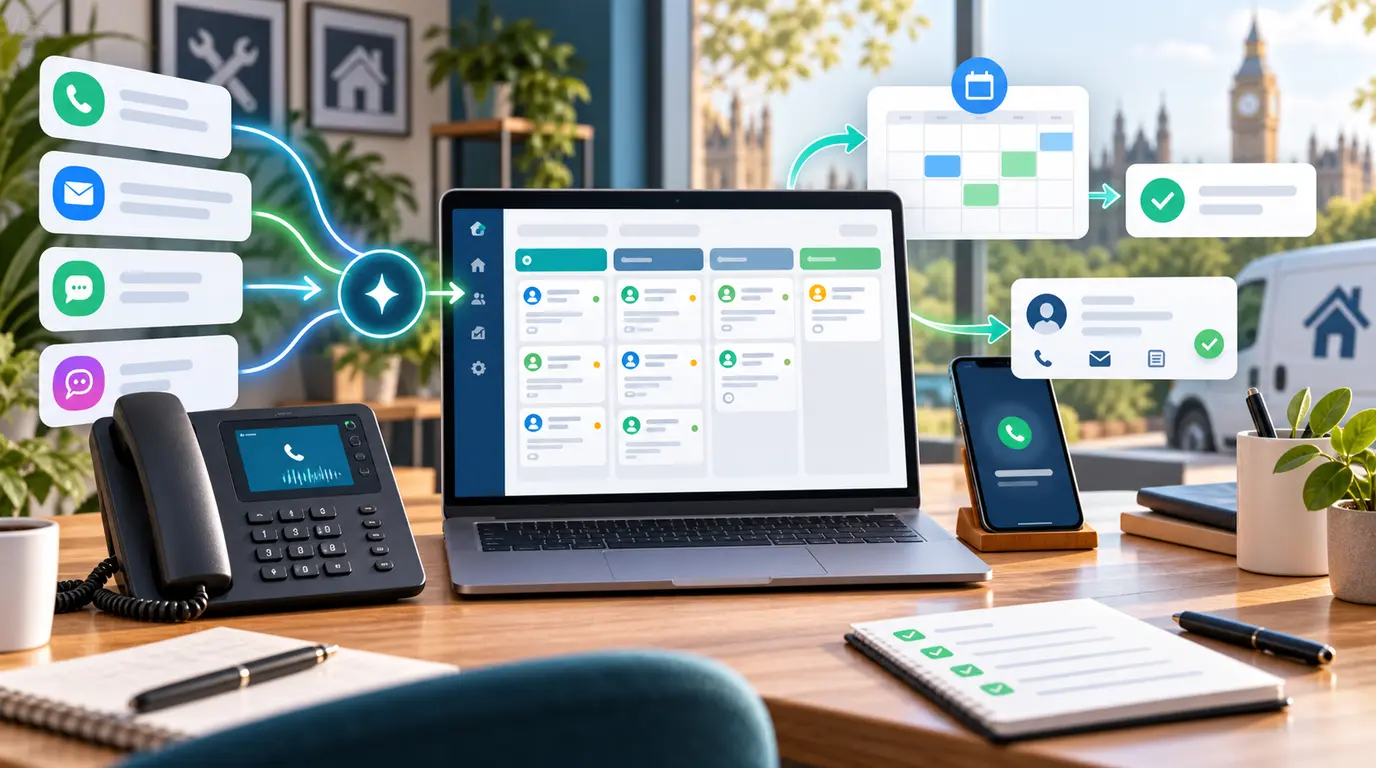
Abandoned cart recovery UK is the combination of on-site fixes and follow-up messaging that wins back shoppers who add to basket but leave before paying. With UK abandonment averaging 70-75%, most stores lose more revenue at checkout than anywhere else. Recovering even 5-10% of lost baskets typically adds thousands of pounds in monthly sales.
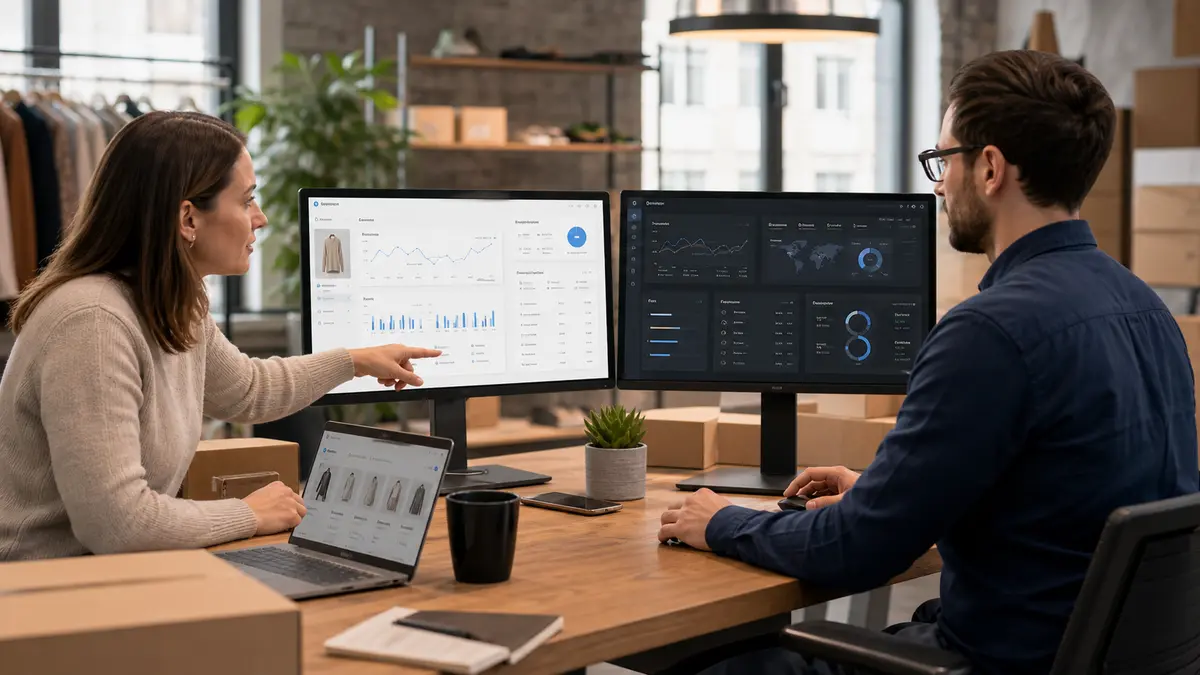
Here is the uncomfortable maths. If your store takes £40,000 a month and three in four baskets are abandoned, you are not losing a rounding error, you are losing more revenue than you actually collect. At ARS Developer, a software development company in Stoke-on-Trent, we see this pattern on nearly every ecommerce audit we run: the traffic is fine, the products are fine, and the checkout quietly bleeds sales. The good news is that abandoned cart recovery UK work is some of the highest-return effort in ecommerce, because you are recovering demand you have already paid to attract.
This guide ranks 11 fixes by effort versus impact, gives you a copy-and-paste recovery email sequence, and hands you an original self-audit, the Checkout Friction Score, so you can grade your own store out of 100 before you spend a penny with anyone.
What is the average cart abandonment rate in the UK?
The average cart abandonment rate in the UK sits between 70% and 75%, and it climbs higher on mobile, often above 80%. That means for every 100 shoppers who add an item to their basket, only 25-30 complete the purchase. Fashion, health and beauty tend to abandon most; groceries and repeat-purchase categories least.
Those figures are not a reason to panic, they are a baseline. Some abandonment is unavoidable, people compare prices, get interrupted, or use the basket as a wishlist. But a large slice is caused by friction you can remove. Across 50+ UK projects we have delivered, the pattern we see most is that stores obsess over ad spend and homepage design while the final three screens, basket, details and payment, go untouched for years.
Why do UK shoppers abandon checkout?
UK shoppers abandon checkout mainly because of unexpected costs, forced account creation, and a slow or fiddly payment process. Surprise delivery charges at the final step are consistently the single biggest reason. Trust concerns, limited payment options, and long forms follow close behind, especially on mobile where typing is painful.
Think about the last time you personally bailed out of a purchase. It was rarely because you stopped wanting the product. It was because something got in the way: a delivery cost you did not expect, a demand to create a password, a form that wanted your life story, or a payment page that felt dated enough to make you question whether your card details were safe. Every one of those is fixable.
The 11 fixes, ranked by effort and impact
We have ordered these so you can start with quick wins and work towards the bigger builds. The table below summarises effort, impact and typical UK cost, then each fix gets its own explanation.
| # | Fix | Effort | Impact | Typical UK cost |
|---|---|---|---|---|
| 1 | Show delivery cost early | Low | High | £0-£250 |
| 2 | Enable guest checkout | Low | High | £0-£400 |
| 3 | Add wallet & BNPL payments | Low | High | £150-£600 |
| 4 | Cut form fields | Low | Medium | £150-£500 |
| 5 | Add trust signals | Low | Medium | £100-£400 |
| 6 | Address autocomplete | Medium | Medium | £200-£600 |
| 7 | Inline error handling | Medium | Medium | £300-£800 |
| 8 | Improve mobile speed | Medium | High | £500-£2,500 |
| 9 | Recovery email sequence | Medium | Very high | £400-£1,500 setup |
| 10 | Tasteful exit-intent offer | Low | Medium | £150-£500 |
| 11 | Basic retargeting | Medium | Medium | £300+/mo ad spend |
1. Show the full delivery cost early
Surprise delivery charges are the number one abandonment cause in the UK, so remove the surprise. Display delivery costs, or a clear "free UK delivery over £X" threshold, on the product page and the basket, not just at the final step. A shopper who sees the total early either accepts it or leaves before investing time. Either way you stop the last-second bounce that hurts most.
2. Enable guest checkout
Forcing account creation is one of the most damaging things a UK store can do, and it is often on by default. Let people buy first and create an account afterwards with a single "save my details" tick. You can still capture the email for order confirmation and later marketing, you just stop demanding a password before anyone has paid you a penny.
3. Add wallet and buy-now-pay-later payments
UK shoppers now expect Apple Pay, Google Pay, PayPal and at least one buy-now-pay-later option such as Klarna or Clearpay. Wallets remove card typing entirely, which is transformational on mobile, a two-tap purchase instead of a two-minute one. Buy-now-pay-later lifts average order value on higher-priced items. Most of these are a configuration job on Shopify or WooCommerce, not a rebuild.
4. Cut the number of form fields
Every field you remove lifts completion. Do you really need a separate "confirm email"? A phone number for a digital product? A company field for consumers? Combine first and last name where sensible, default the billing address to the delivery address, and remember that on a phone each field is a small act of willpower. Fewer fields, more finished orders.
5. Add trust signals at the point of payment
Doubt kills conversions in the final seconds, so reassure people exactly where the money changes hands. A padlock and "secure checkout" line, recognised payment logos, a clear returns policy link, and a short delivery promise near the pay button all reduce hesitation. For newer stores, visible review counts and a UK company address quietly answer the "are these people real?" question.
6. Add UK address autocomplete
Address autocomplete lets a shopper type a postcode and pick their address from a list instead of typing five lines by hand. It speeds up checkout, cuts typos that cause failed deliveries, and feels premium. It is a well-established feature to add to any UK store and pays for itself in reduced mis-delivery costs alone, never mind the conversion lift.
7. Handle errors inline and kindly
Bad error handling is a silent killer. If a card is declined or a field is wrong, the message must appear next to the field, in plain English, without wiping what the shopper already typed. We have watched session recordings where a customer entered everything correctly, hit an unexplained error, and simply gave up. Clear, forgiving validation recovers those otherwise-ready buyers.
8. Make the mobile checkout fast
More than two-thirds of UK ecommerce traffic is now mobile, and mobile is where abandonment is worst, so speed is not optional. A checkout that takes four or five seconds to load on 4G loses people before they start. Compress images, remove unnecessary apps and scripts from the checkout path, and test on a real mid-range Android phone, not just your own device on office wifi.
9. Build a recovery email sequence
This is the highest-return fix on the list because it works on money you have already lost. A well-timed three-email sequence typically recovers 5-15% of abandoned baskets. It requires the shopper's email, which is why capturing it early (fix 2) matters. We cover the exact timing and template below.
10. Use a tasteful exit-intent offer
An exit-intent popup detects when a mouse heads for the close button and shows one final message before the shopper leaves. Used sparingly, offering free delivery or a small first-order discount in exchange for an email, it recovers a slice of leavers. Used aggressively, on every page and every visit, it annoys people and hurts your brand. One tasteful appearance, capped per visitor.
11. Set up basic retargeting
Retargeting shows ads to people who visited but did not buy, gently reminding them to return. On a modest budget, dynamic retargeting through Meta or Google that displays the exact product someone viewed is the most cost-effective form. It works best alongside email, catching the people who abandoned before you captured their address. Keep frequency capped so you remind rather than harass.
What does an effective abandoned basket email strategy look like?
An effective abandoned basket email strategy is a short automated sequence of two to three messages, sent within hours of abandonment, that reminds the shopper, handles objections, and only discounts as a last resort. The first email should recover most of the value; discounts train people to abandon on purpose, so use them carefully.
Here is a sequence that works for most UK stores:
- Email 1, sent 1 hour after abandonment. Friendly reminder, no discount. Subject along the lines of "You left something behind." Show the item with a photo and a single, obvious "return to your basket" button. Reassure on delivery and returns.
- Email 2, sent 24 hours after. Handle objections. Address the reasons people hesitate, delivery cost, sizing, security, with a short FAQ block and a genuine review. Still no discount unless margins allow it.
- Email 3, sent 48-72 hours after. Create urgency or offer a modest incentive, "your basket is about to expire" or free delivery on this order. This is where a small discount earns its place, because these shoppers were about to be lost entirely.
Keep each email short, mobile-first, and single-purpose. One product, one button, one message. If you sell considered purchases such as furniture or B2B equipment, stretch the timing out, people take longer to decide, and a pushy one-hour email feels wrong.
The Checkout Friction Score: audit your store out of 100
We built the Checkout Friction Score to give UK store owners a fast, honest self-assessment before spending on development. Score each item, add them up, and read your band. It is the same diagnostic logic we apply on paid audits, distilled into something you can run in ten minutes.
- Delivery cost shown before final step (0-15): full marks if the cost or free-delivery threshold is visible on product and basket pages.
- Guest checkout available (0-15): full marks if a shopper can buy without creating an account.
- Wallet and BNPL payments (0-15): award points for Apple Pay, Google Pay, PayPal and a buy-now-pay-later option.
- Form-field discipline (0-10): full marks if you ask only for what an order genuinely needs.
- Mobile checkout speed (0-15): full marks if the checkout loads in under three seconds on 4G.
- Trust signals at payment (0-10): secure-checkout cues, payment logos, clear returns link.
- Address autocomplete (0-5): full marks if postcode lookup is enabled.
- Inline, forgiving error handling (0-5): errors shown clearly without wiping the form.
- Recovery email sequence live (0-10): full marks for a two-to-three email automation running now.
How to read your score: 80-100, your checkout is genuinely competitive, focus on retargeting and testing. 55-79, you have solid foundations with clear gaps worth fixing this quarter. 30-54, friction is actively costing you sales every day, prioritise the low-effort high-impact fixes above. Below 30, your checkout is likely your single biggest revenue leak, and fixing it will pay back faster than any ad campaign.
How much revenue can you realistically recover?
Most UK stores can recover 5-10% of abandoned baskets with a solid recovery email sequence alone, and lift overall checkout completion by several percentage points with the on-site fixes. On a £40,000-a-month store, moving completion from 26% to 30% is not a vanity metric, it can mean £5,000-£6,000 in additional monthly revenue from traffic you already have.
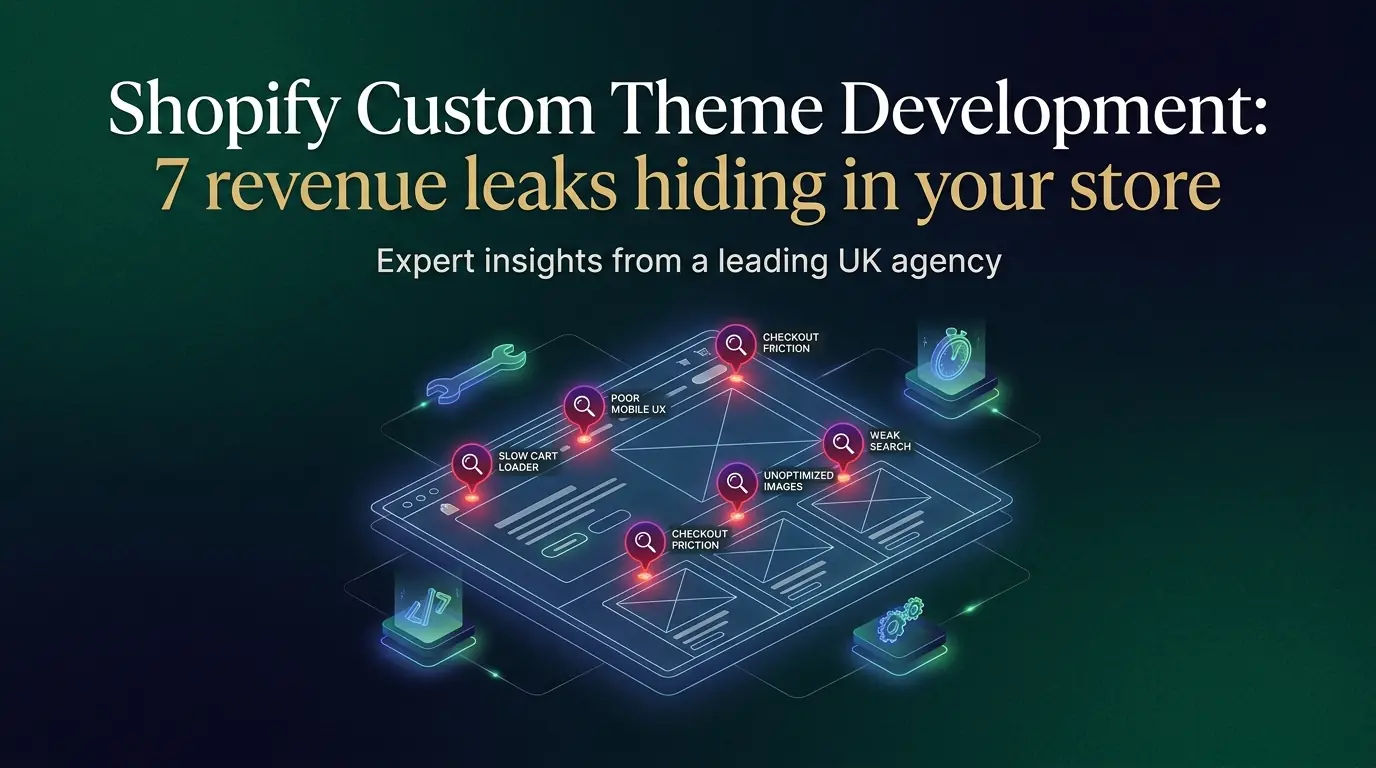
That is why we always tell clients to fix the checkout before scaling ad spend. Pouring more visitors into a leaky checkout just means paying to lose more people. If you want to see where else your store loses money, our 7-point Shopify revenue leaks audit walks through the full funnel, and if your issues are theme-level, our guide to custom theme development and revenue leaks covers the deeper build work.
What to fix first if you only have a weekend
If you only have a weekend, start with the four lowest-effort, highest-impact fixes, because they need configuration rather than development. In order: show delivery costs early, turn on guest checkout, enable Apple Pay and PayPal, and switch on a recovery email in your existing platform. These four alone move most stores out of the danger band.
Follow this shortlist:
- Day one, morning: add delivery cost or free-delivery threshold to product and basket pages.
- Day one, afternoon: switch checkout to allow guest purchases and remove any "confirm email" or unnecessary phone fields.
- Day two, morning: enable Apple Pay, Google Pay and PayPal in your payment settings.
- Day two, afternoon: turn on and write the first recovery email in Shopify, Klaviyo or your email tool.
Everything else, speed work, address autocomplete, inline validation, retargeting, is worth doing but benefits from proper development time. That is where a build partner earns their fee.
Conclusion: your checkout is the cheapest growth you have
You have already paid for the traffic. You have already paid for the products. The shoppers reaching your basket are the warmest audience you will ever have, and fixing checkout friction converts more of them without spending another pound on acquisition. Run the Checkout Friction Score today, tackle the four weekend fixes, then plan the deeper work.
ARS Developer, a software development company in Stoke-on-Trent, helps UK ecommerce owners plug these leaks with founder-led delivery, clear milestones and no payment until you approve the work. If you would like an outside pair of eyes on your funnel, book a free 30-minute discovery call with the founder through our contact page, we respond within one business day, or explore what we do on our services page.
Frequently asked questions
What is the average cart abandonment rate in the UK?
The average UK cart abandonment rate is 70-75%, rising above 80% on mobile. It means only about a quarter of shoppers who add to basket complete their purchase. Rates vary by sector: fashion and beauty abandon most, while groceries and repeat-purchase categories retain more shoppers through to payment.
How do I recover abandoned carts?
Recover abandoned carts with two moves: reduce friction so fewer people leave, and follow up with those who do. On-site, enable guest checkout, show delivery costs early, and add wallet payments. Off-site, run a two-to-three email recovery sequence and basic retargeting. Together these typically recover 5-15% of otherwise-lost baskets.
When should abandoned cart emails be sent?
Send the first abandoned cart email around one hour after abandonment, a second at 24 hours, and a third at 48-72 hours. The one-hour email recovers most value while intent is fresh. For considered or B2B purchases, stretch the timing out, as shoppers naturally take longer to decide on higher-value items.
Does guest checkout increase conversions?
Yes. Forcing account creation is one of the biggest abandonment causes in the UK, so enabling guest checkout reliably lifts completion. Let shoppers buy first and offer optional account creation afterwards with a single tick. You still capture their email for confirmation and marketing, without demanding a password before they have paid.
Which payment methods do UK shoppers expect?
UK shoppers expect cards plus Apple Pay, Google Pay and PayPal, with at least one buy-now-pay-later option such as Klarna or Clearpay for higher-priced items. Digital wallets are especially important on mobile because they remove card typing entirely, turning a two-minute checkout into a two-tap purchase.
How much revenue can recovery emails bring back?
A well-built recovery email sequence typically brings back 5-15% of abandoned baskets. On a £40,000-a-month store with 70% abandonment, recovering even 5% of lost baskets can add several thousand pounds monthly. Because it works on demand you have already paid to attract, it is one of ecommerce's highest-return activities.
Next Step Resources
Move from research into action with the most relevant service, proof, pricing, and project planning pages for this topic.

Tags:











Leave a Comment
Ask a practical question, share a project insight, or add a useful note. Every comment is reviewed before it appears publicly.