
Blog post overview and metadata
Author, publish date, read time, and category
Why Growing Teams in the UK Move from Spreadsheets to Custom CRM
Reviewed by: ARS Developer Team | Updated: 30 Sep 2026 | UK Focus: Buyer-intent SEO, web delivery, and measurable conversion growth.
Quick Summary
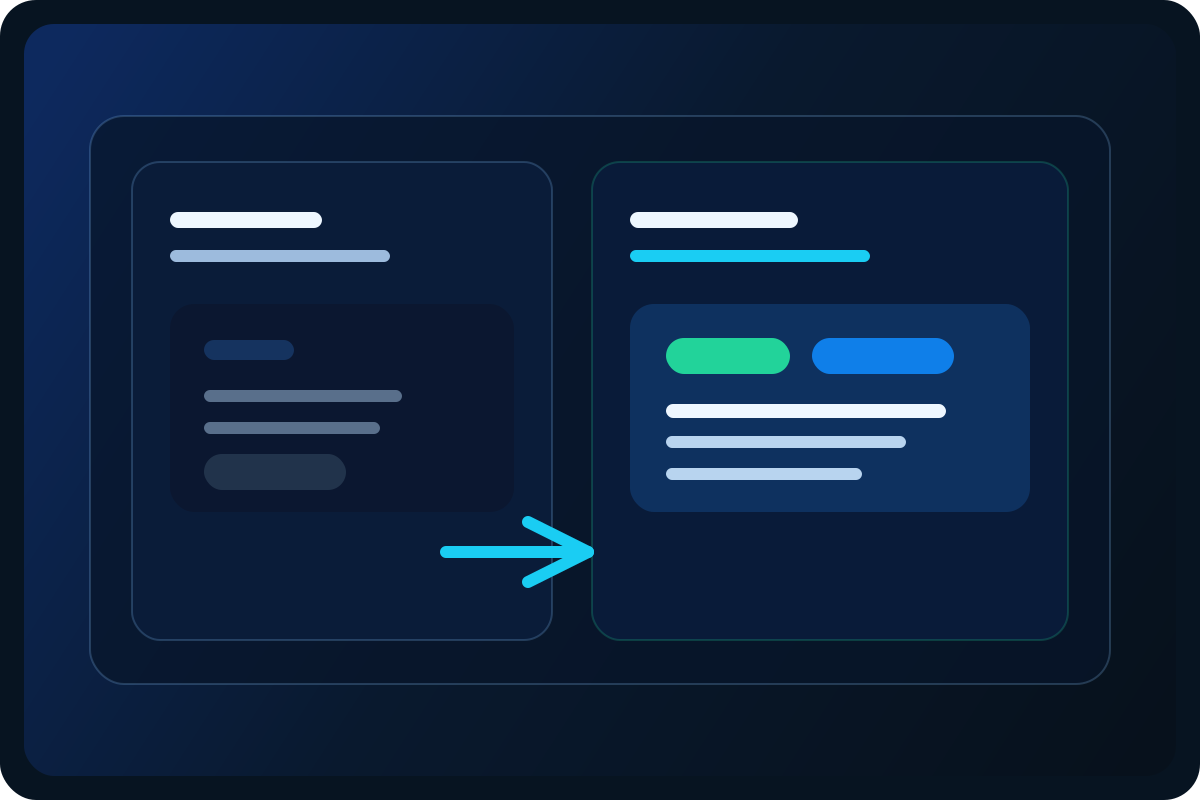
When leads and operations grow, spreadsheets break. A custom CRM gives visibility, automation, and better delivery control.
In This Guide
- Quick Answer
- Signals that spreadsheets are now costing the business
- What a better CRM rollout should solve first
- How CRM links to marketing and web performance
- Why CRM decisions affect revenue quality
- How CRM maturity improves sales and delivery at the same time
- Questions to ask before building the first CRM phase
- Implementation checklist
Why This Article Is Trustworthy
- Reviewed by the ARS Developer editorial team for UK business relevance.
- Structured around buyer-intent SEO, technical delivery, and measurable conversion outcomes.
- Connected to related service pages, pricing guidance, and supporting articles for stronger topic depth.
Quick Answer
Spreadsheets work early, but they become expensive when ownership, follow-up, and reporting break down.
A custom CRM becomes valuable when the business needs clearer accountability, faster response, and stronger operational visibility.
Signals that spreadsheets are now costing the business
- Lead ownership is unclear.
- Pipeline updates depend on manual chasing.
- Reporting is inconsistent across departments.
- Projects, invoices, and follow-ups live in disconnected tools.
What a better CRM rollout should solve first
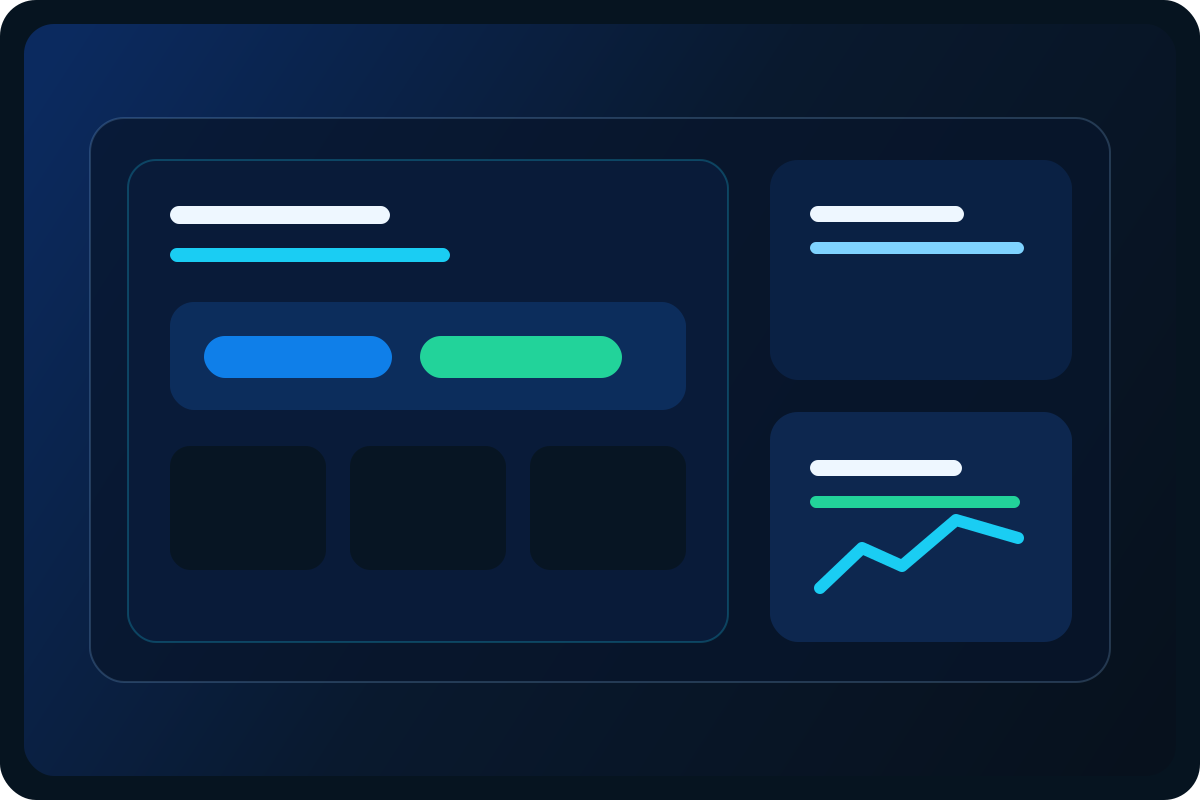
Start with lead capture, assignment, status visibility, and SLA reminders. Those areas usually create the fastest operational return.
After that, layer in milestones, invoicing, automation, and reporting so the system matches real business workflows rather than theoretical features.
How CRM links to marketing and web performance
A strong CRM improves not just operations but also marketing feedback loops. You can attribute enquiries better and understand which pages or campaigns produce qualified leads.
That is why this topic connects directly with conversion websites, landing page CRO, and managed IT maturity.
Why CRM decisions affect revenue quality
When leads are not tracked properly, follow-up becomes inconsistent and commercial reporting turns unreliable. That makes it harder to understand which channels actually produce profitable work.
A custom CRM or structured portal should improve sales response speed, visibility, accountability, and client handover quality. That is where the operational value really becomes obvious.
How CRM maturity improves sales and delivery at the same time
When CRM workflows are structured properly, the business gains more than cleaner reporting. It usually improves response times, handovers, quoting visibility, client communication, and the ability to see which channels actually produce commercial value.
This is why CRM planning should be tied to software delivery, budget expectations, and process discovery rather than being treated as a standalone admin tool project.
Questions to ask before building the first CRM phase
- Which lead and delivery workflows are costing the team the most time today?
- Which dashboards, reminders, or ownership rules would improve response quality fastest?
- How should the CRM connect with website leads, quoting, invoicing, and project delivery?
Implementation checklist
- Prioritise lead ownership, status visibility, and reminders before expanding the CRM into larger automation or reporting modules.
Frequently Asked Questions
When should a business build a custom CRM instead of buying software?
Usually when workflow complexity, reporting needs, or integration demands create ongoing friction in generic tools.
What should be built first in a custom CRM?
Lead intake, status tracking, ownership, reminders, and reporting are usually the best first modules.
Further Reading
Continue with CRM automation planning, CRM budgeting, and our custom software service.
Next Step
See our software development scope, automation-related services, and CRM planning call if your team is ready to replace fragile manual processes.
If your operations are stretching spreadsheets too far, the best next step is mapping the lead, handover, and reporting process before talking about features. That creates a CRM plan that supports revenue instead of adding more admin noise.
Next Step Resources
Move from research into action with the most relevant service, proof, pricing, and project planning pages for this topic.

Tags:








































Leave a Comment
Ask a practical question, share a project insight, or add a useful note. Every comment is reviewed before it appears publicly.